
Before You Propose · October 2025 · 10 min read
How Travel Shapes Relationships: The Anthropology of Going Somewhere Together
Liminality, Victor Turner's communitas, and the Arons' self-expansion model: what anthropology and relationship science actually say about why a trip can deepen a partnership.
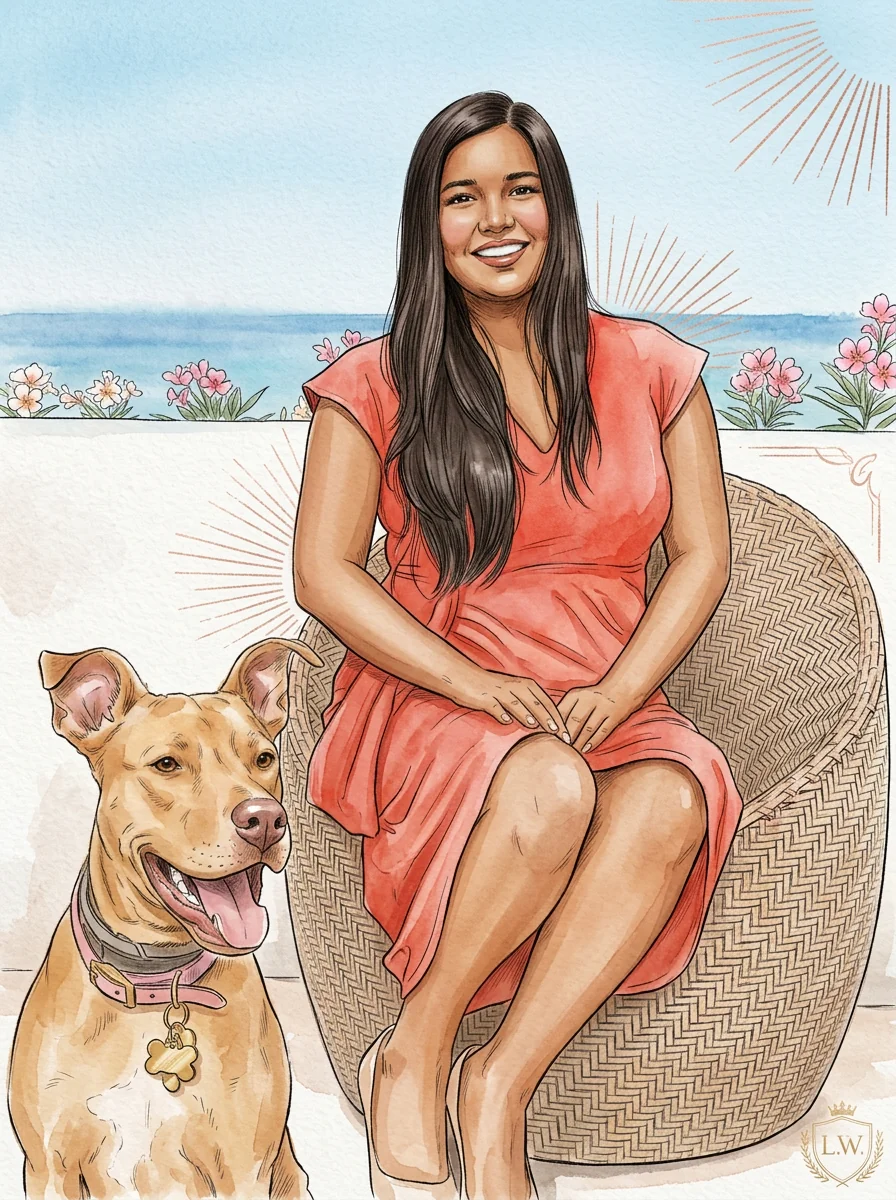
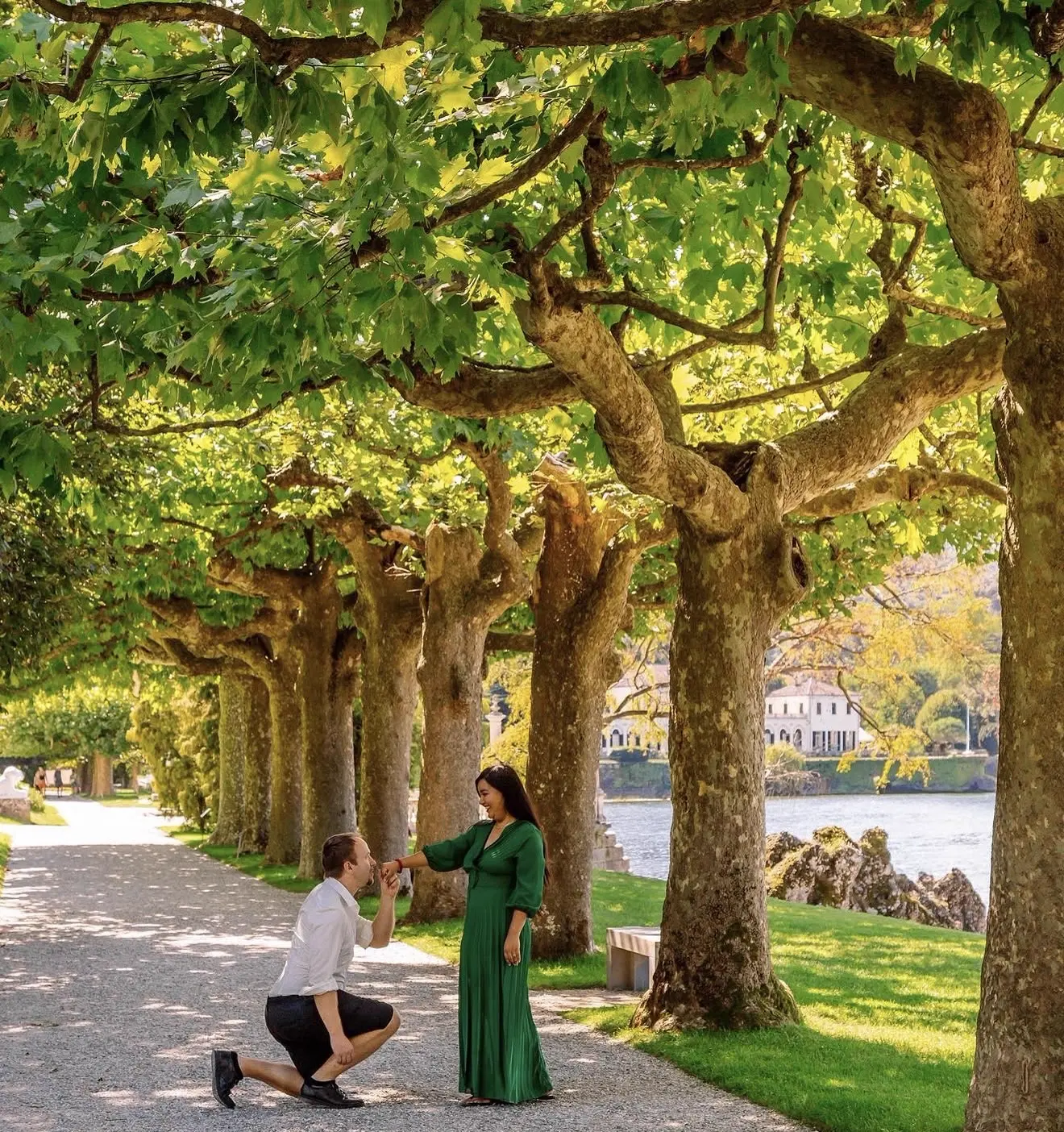
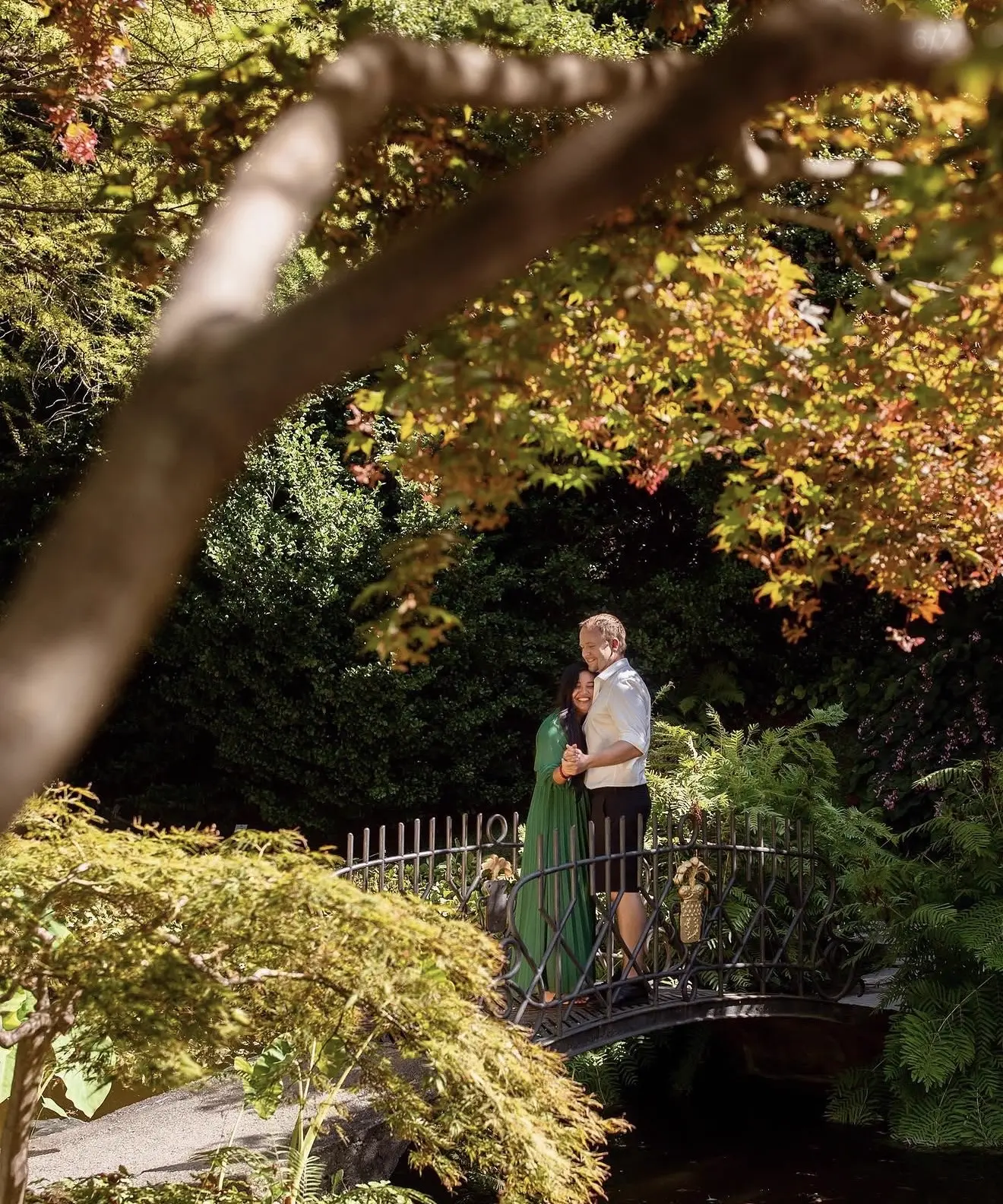
There's a reason so many couples say they "really got to know each other" on a trip. Travel does something to a relationship that dinner reservations and weekend routines can't. I've watched it happen for years in my work, two people arriving in Puerto Vallarta a little stiff with travel, and within a day moving through the place like a single unit. I wanted to understand why that happens, so I went looking past the romance of it and into what anthropologists and relationship researchers actually say. The picture that came back is more interesting than "vacations are nice."
Travel puts a couple in the space between
Anthropology has a useful word for what travel does: liminality. The term comes from Arnold van Gennep, who studied rites of passage in the early twentieth century, and was later expanded by the anthropologist Victor Turner. A liminal state is the in-between phase of a transition, the threshold a person crosses when they've left one role behind but haven't yet settled into the next. Turner described it as a time when ordinary social structure loosens and people become unusually open to one another.
A trip is a liminal experience almost by definition. You step out of your jobs, your obligations, the version of yourselves that your hometown expects. For a few days you're nobody's employee and nobody's neighbor. Turner observed that people who pass through a liminal phase together often form an intense, leveled bond he called communitas, a sense of standing shoulder to shoulder outside the usual rules. That's a precise description of what couples feel on a good trip, and it's why travel can compress months of ordinary closeness into a single week.
The science has a name for it too: self-expansion
Anthropology explains the where. Relationship psychology explains the why it sticks. The most important framework here is the self-expansion model, developed by psychologists Arthur and Elaine Aron beginning in the 1980s. The core idea is that humans are driven to grow, to add experiences, perspectives, and capabilities to who they are, and that one of the main ways we do this is through our relationships. In the early stage of love, your partner is a constant source of new things, which is part of why that period feels so alive. Over time, as you learn each other, that supply of novelty runs down, and satisfaction tends to dip along with it.
Aron's research found a way to counter that decline. In a series of experiments, couples who took part together in novel and challenging activities reported higher relationship quality than those who did something pleasant but familiar (Aron, Norman, Aron, McKenna, and Heyman, 2000). Travel is one of the richest sources of exactly this kind of experience. A new city, a language you half-understand, a meal you can't name, a trail you've never walked: all of it expands the self, and because you're expanding together, the relationship gets the credit.
What the studies actually found
This isn't only theory. The research on couples and travel has gotten specific in recent years.
A 2024 set of studies by Coffey and colleagues looked at couples who vacationed together and found that those who engaged in more self-expanding activities during the trip reported higher relationship satisfaction and more romantic passion afterward. The key variable wasn't the destination or the budget. It was whether the couple did things that stretched them.
A study published in Leisure Sciences by Shahvali, Kerstetter, and colleagues (2025) reached a related and slightly humbling conclusion: the number of vacations a couple took didn't predict how satisfied they were with their relationship. What mattered was the quality of shared experience inside those trips, the mindful conversations, the trying-new-things-together, the actual joint engagement rather than two people in the same location looking at separate phones.
There's also evidence the effect lasts. An intervention study by Coulter and Malouff had couples add at least 90 minutes of mutually exciting activity per week, and the participants showed higher relationship satisfaction and positive feeling not just immediately, but four months later. Novelty, it turns out, isn't only a sugar high.
And on the wider scale, a national survey by the U.S. Travel Association found that couples who travel together report better communication, more intimacy, and a stronger belief that romance is still alive in the relationship, compared to couples who don't.
The honest part: travel reveals as much as it builds
I'd be selling something false if I told you travel only ever bonds people. The same research literature notes the other edge. A trip strips away the buffers of normal life, the separate schedules, the time apart, the routines that smooth over friction. Psychologists who study this point out that if tension already exists, sustained closeness can magnify it rather than hide it. A delayed flight, a lost reservation, a long hot afternoon when you disagree about what to do next: travel tests a couple as much as it rewards them.
This is exactly why I find proposals-while-traveling so revealing. A couple who can get lost in an unfamiliar place, laugh about it, and problem-solve as a team has shown each other something a hundred quiet dinners never would. Anthropologists would say they've passed through the liminal threshold together and come out as communitas. I'd just say they're ready.
Why this matters for a proposal
When you bring the most important question of your relationship into a place you traveled to, you're not only choosing a prettier backdrop. You're placing the moment inside a liminal, self-expanding experience that research links to deeper closeness and renewed passion. The trip primes the relationship. The unfamiliar setting heightens everything you feel. And the memory, because it's stitched into a place you went on purpose, tends to stay vivid for decades rather than blurring into an ordinary week.
You're using something old and well-studied. Humans have marked their most important transitions by leaving the familiar and crossing a threshold for as long as we've been human. A proposal far from home is a small, modern version of that ancient pattern, and it works for the same reasons it always has.
I'm Olivia, and I plan story-driven proposals in Puerto Vallarta, designed around the two of you and the journey that brought you here. If you're thinking about asking the question somewhere that will change how the moment feels, tell me your story.
Sources referenced
- Van Gennep, A. (1909). The Rites of Passage.
- Turner, V. (1969). The Ritual Process: Structure and Anti-Structure. (Concepts of liminality and communitas.)
- Aron, A., Norman, C. C., Aron, E. N., McKenna, C., & Heyman, R. E. (2000). Couples' shared participation in novel and arousing activities and experienced relationship quality. Journal of Personality and Social Psychology, 78(2), 273–284.
- Aron, A., & Aron, E. N. (1986). Love and the Expansion of Self. (Self-expansion model.)
- Coffey et al. (2024), on self-expanding activities during couples' vacations and post-vacation satisfaction and passion.
- Shahvali, M., Kerstetter, D. L., Tews, M. J., Mitas, O., & Behrad Far, R. (2025). Couple Vacations: Linking Joint Vacation Experiences of Romantic Couples to Satisfaction with Relationship Life. Leisure Sciences, 47(5), 1002–1021.
- Coulter, K., & Malouff, J. M. (2013), on the lasting effects of an exciting-activities intervention for couples.
- U.S. Travel Association (2013), national survey on travel and relationship quality.
Letters from the bay
Proposal ideas, dates that work, and stories from Puerto Vallarta.
One short letter now and then. No spam, and you can leave whenever you want.
Next step
Book a consultation and tell me your story.
A 15 minute call to talk through your dates, your partner, and what you want the moment to feel like.
Read next
Before You Propose · July 2026 · 9 min read
The Seven Questions Before You Propose
Before the ring and the knee, there are seven questions that decide if you're ready. What anthropology and relationship science know about being ready.
Read the post →
Before You Propose · November 2025 · 10 min read
Why Personalized Proposals Feel More Meaningful Than Beautiful Ones
The difference between a pretty proposal setup and one built from a couple's own story, explained through psychology and anthropology. Why personalization, not decoration, is what people remember.
Read the post →
Before You Propose · April 2025 · 9 min read
Is This the One? What Relationship Science Says About Knowing You're Ready to Propose
Forty years of couples research, from John Gottman's Love Lab onward, on the quiet, daily patterns that actually predict whether you're ready to propose.
Read the post →Tell me your story.
Story-driven proposals in Puerto Vallarta, designed around your relationship.
Plan my proposal →