
Before You Propose · April 2025 · 9 min read
Is This the One? What Relationship Science Says About Knowing You're Ready to Propose
Forty years of couples research, from John Gottman's Love Lab onward, on the quiet, daily patterns that actually predict whether you're ready to propose.
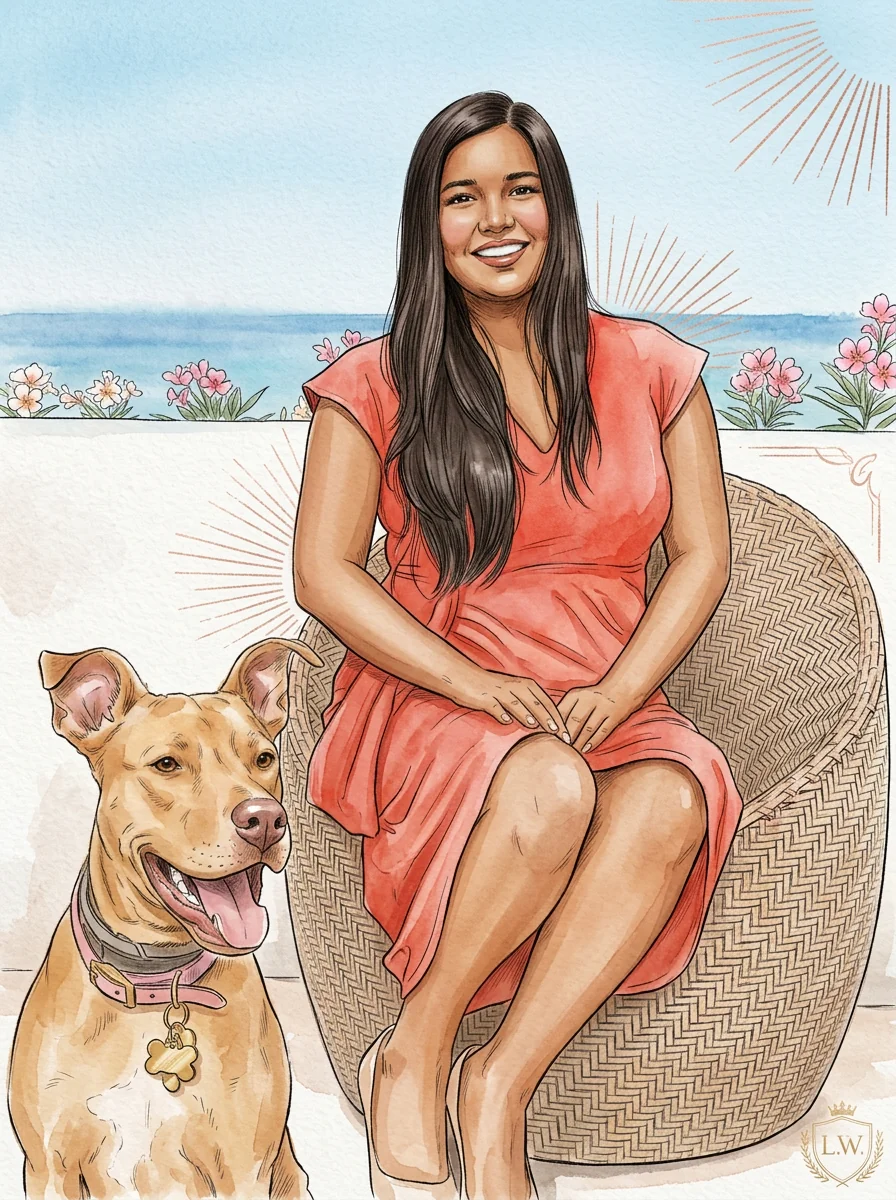

If you're reading this, you've probably already had the thought. Maybe in the quiet after a good day, maybe in the middle of an ordinary Tuesday. The question isn't really whether you love them. You know that part. The question underneath is harder. How do you know for sure?
Here's the honest answer most articles skip. Certainty doesn't usually arrive like a lightning bolt. The movies sold us that version. After more than a decade helping people plan the moment they propose, I've noticed the ones who feel truly ready almost never describe fireworks. They describe a kind of steadiness.
And it turns out the research agrees with them. Psychologist John Gottman spent more than four decades studying couples in his "Love Lab" at the University of Washington, watching thousands of them interact and then tracking which ones lasted. What he found is useful here, because it points away from grand romantic feelings and toward the small, daily patterns that actually predict whether two people make it. Let's walk through what that looks like, using his work and a few other findings as a guide.
The five-to-one pattern matters more than the absence of conflict
One of Gottman's most cited discoveries is what he called the "magic ratio." Stable, happy couples maintain roughly five positive interactions for every negative one during conflict. According to the Gottman Institute, it isn't the absence of arguments that separates couples who last from couples who don't. It's whether warmth, humor, affection, and repair outweigh the friction by a wide margin.
Why this helps you decide: don't measure your relationship by whether you fight. Every couple fights. Measure it by what surrounds the fighting. Do you find your way back to each other quickly? Is there teasing, touch, and laughter layered into even the hard conversations? If your ordinary days run heavily positive and your conflicts still leave room for kindness, you're looking at the pattern Gottman links to lasting marriages.
Watch how you handle conflict, not whether you have it
Gottman also identified four behaviors so corrosive he named them the "Four Horsemen": criticism, contempt, defensiveness, and stonewalling. By observing how couples argued, his team predicted divorce with over 90 percent accuracy. The single strongest predictor, he found, was contempt: sarcasm, eye-rolling, mockery, treating a partner from a position of superiority.
This is worth sitting with before you propose. Ask yourself honestly how the two of you fight. When you disagree, is there still basic respect in the room, or does it curdle into one of you looking down on the other? The presence of conflict tells you almost nothing. The presence of contempt tells you a great deal. If your disagreements stay free of that particular poison, that's one of the more reliable signs you've found something built to last.
You "turn toward" each other in the small moments
One of the quieter findings from the Love Lab is about what Gottman calls "bids." A bid is any small request for attention: a comment about a bird outside the window, a hand reaching out, a "look at this." In relationships that stayed strong, partners "turned toward" these bids, responding with interest, about 86 percent of the time. In couples who later divorced, that number dropped to around 33 percent.
This is the most ordinary test of readiness I know, and one of the most telling. Does your partner light up at your small offerings of attention, and do you light up at theirs? Not the grand gestures. The "hey, come look at this." If the answer is a consistent yes, you've already been practicing the daily mechanics of a lasting marriage without naming it.
"We" quietly replaced "I"
There's a shift in language that tends to show up well before the ring does. When someone asks how you are, you find yourself answering for both of you. Your plans for next year, where you'll live, the version of your life five years out, already include them without negotiation.
This isn't romance so much as integration. You've stopped imagining your future as a solo project. Relationship researchers treat this kind of merged future-thinking as a marker that a partnership has moved past dating and into building. If "we" has become your default and it feels natural rather than forced, pay attention to that.
You've talked through the unromantic things
Money. Where you'd live. Whether you want children. How you'd handle a job loss or a difficult parent. These conversations aren't candlelit, which is exactly why they matter. Stable partnerships tend to be the ones where two people can discuss the future, finances, and values openly before an engagement, not after.
If you can talk about a shared bank account as easily as a shared playlist, and neither of you flinches, you're further along than you think.
You're choosing them, not securing them
Here's a distinction worth your honesty. There's a difference between proposing because you've found your person and proposing because you're afraid of losing them. An engagement doesn't repair a shaky foundation, resolve lingering feelings for someone else, or make doubt evaporate. A ring celebrates something that's already true. It doesn't manufacture it.
If the thought of marrying this person makes you feel settled rather than relieved, that's the healthier version of the feeling.
A word on nerves versus doubt
Almost everyone feels some nerves before proposing. It's one of the largest decisions of your life. But there's a difference between logistical nerves and fundamental doubt. Logistical nerves sound like will they like the ring, will I say it right, what if I drop it. That's adrenaline, and it's normal. Fundamental doubt sounds like a quiet question about the person themselves, and it deserves an honest conversation with yourself before you go further. Don't propose to silence a doubt. Propose because, underneath the nerves, the doubt isn't really there.
So, are you ready?
You don't need to check every item on this list. You need the underlying pattern that the research keeps pointing back to: a partnership where the positive heavily outweighs the negative, where conflict stays free of contempt, where you turn toward each other in small ways, and where the future already feels shared.
If you read this and found yourself nodding, calmly, yes, then the hard part is already behind you. What's left is deciding how you want to ask.
That's where I come in. I'm Olivia, and I plan immersive, story-driven proposals in Puerto Vallarta, designed around your relationship rather than a template. If you've reached the steady "yes" and you're ready to think about the moment itself, tell me your story. I'd love to help you design it.
Letters from the bay
Proposal ideas, dates that work, and stories from Puerto Vallarta.
One short letter now and then. No spam, and you can leave whenever you want.
Next step
Book a consultation and tell me your story.
A 15 minute call to talk through your dates, your partner, and what you want the moment to feel like.
Read next
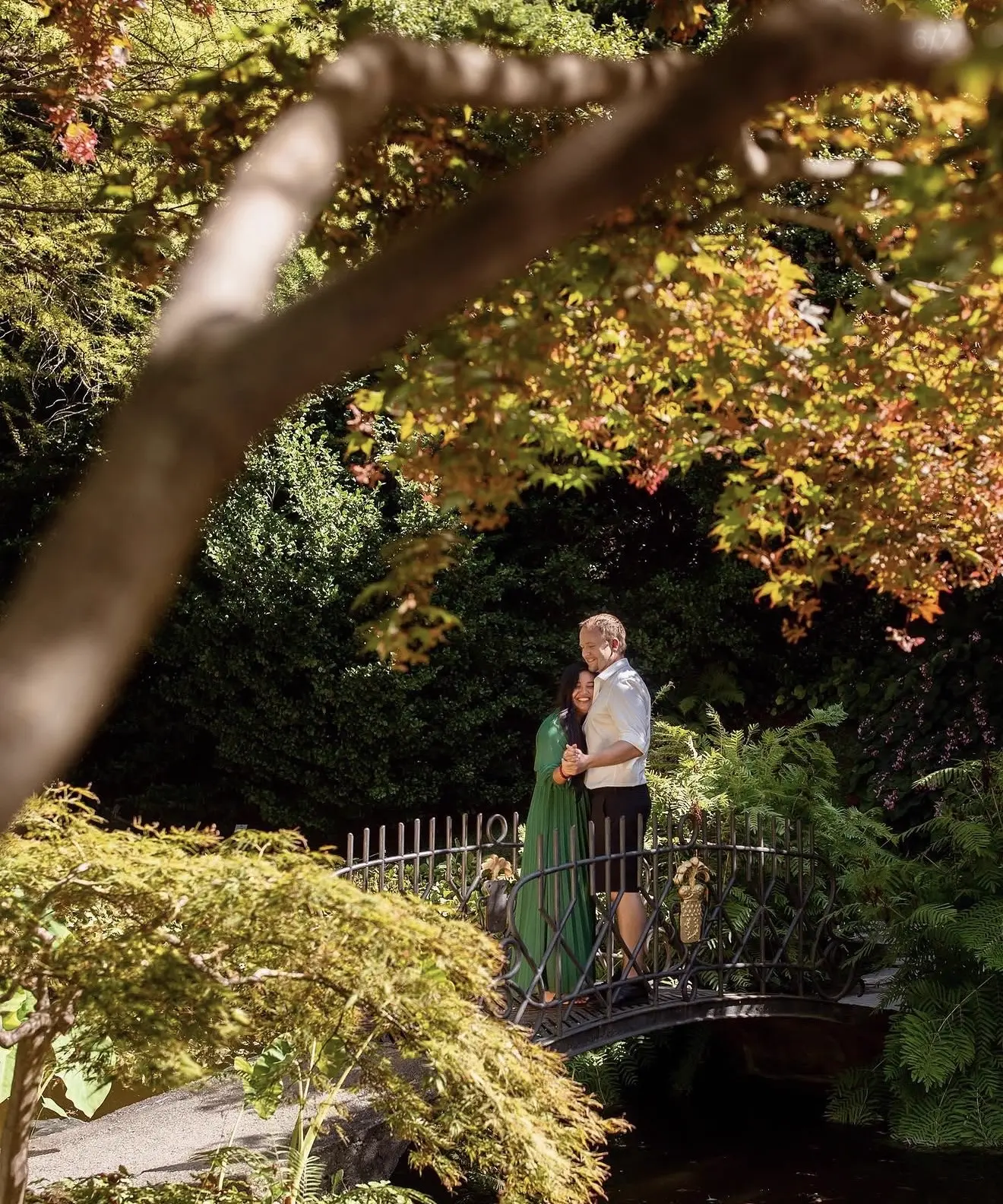
Before You Propose · July 2026 · 9 min read
The Seven Questions Before You Propose
Before the ring and the knee, there are seven questions that decide if you're ready. What anthropology and relationship science know about being ready.
Read the post →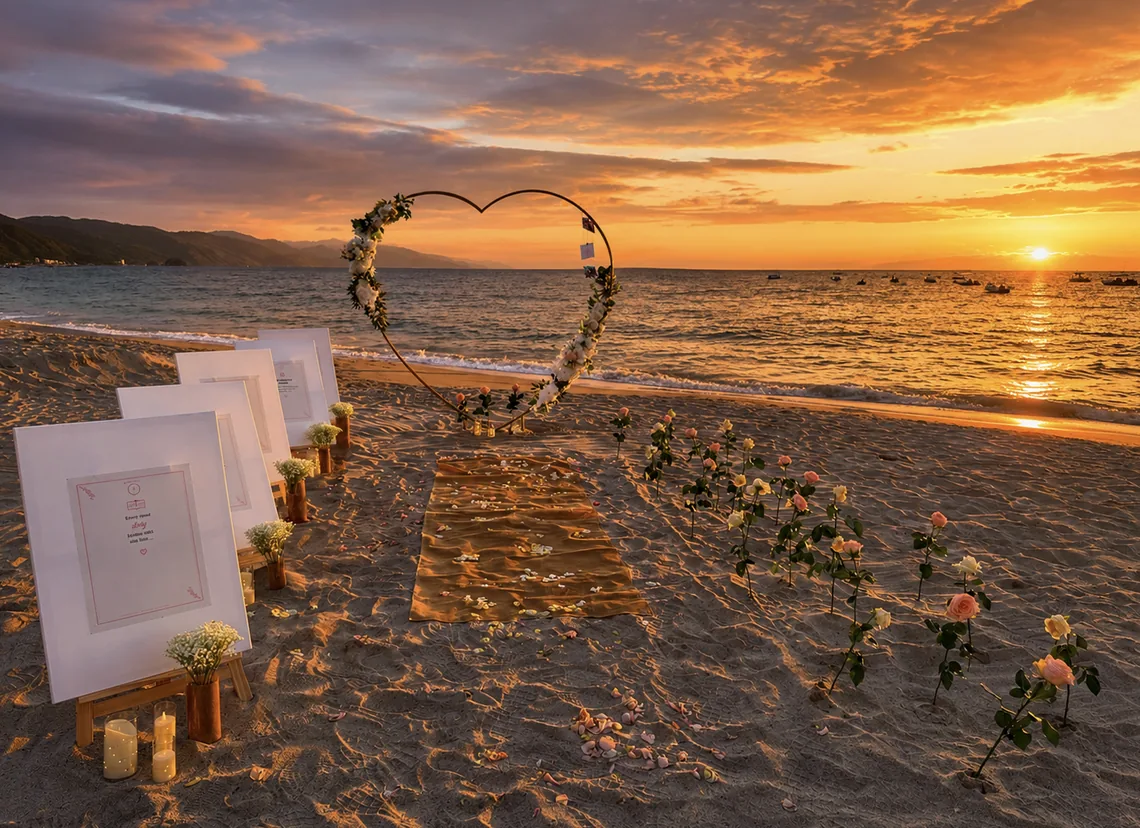
Before You Propose · November 2025 · 10 min read
Why Personalized Proposals Feel More Meaningful Than Beautiful Ones
The difference between a pretty proposal setup and one built from a couple's own story, explained through psychology and anthropology. Why personalization, not decoration, is what people remember.
Read the post →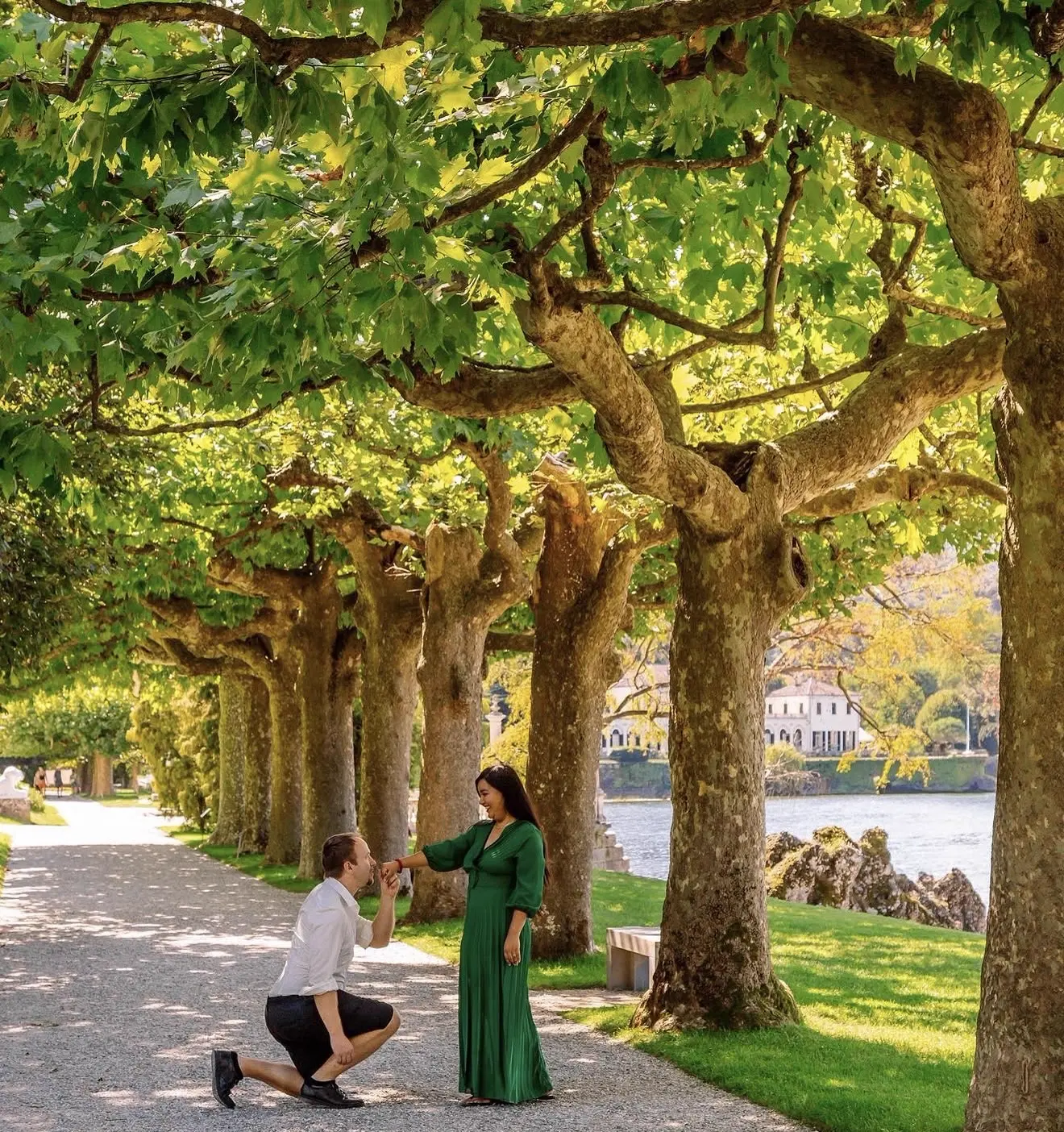
Before You Propose · October 2025 · 10 min read
How Travel Shapes Relationships: The Anthropology of Going Somewhere Together
Liminality, Victor Turner's communitas, and the Arons' self-expansion model: what anthropology and relationship science actually say about why a trip can deepen a partnership.
Read the post →Tell me your story.
Story-driven proposals in Puerto Vallarta, designed around your relationship.
Plan my proposal →