
Before You Propose · July 2026 · 9 min read
The Seven Questions Before You Propose
Before the ring and the knee, there are seven questions that decide if you're ready. What anthropology and relationship science know about being ready.
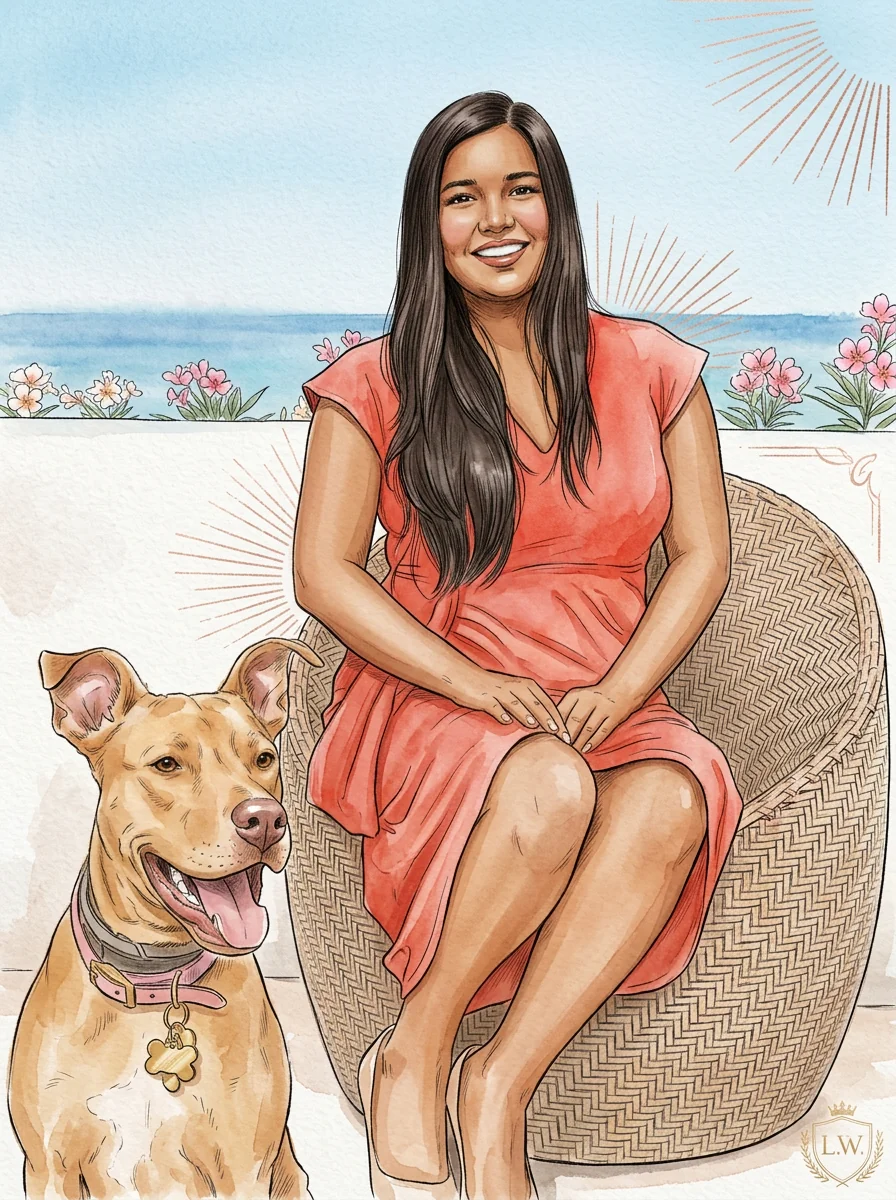
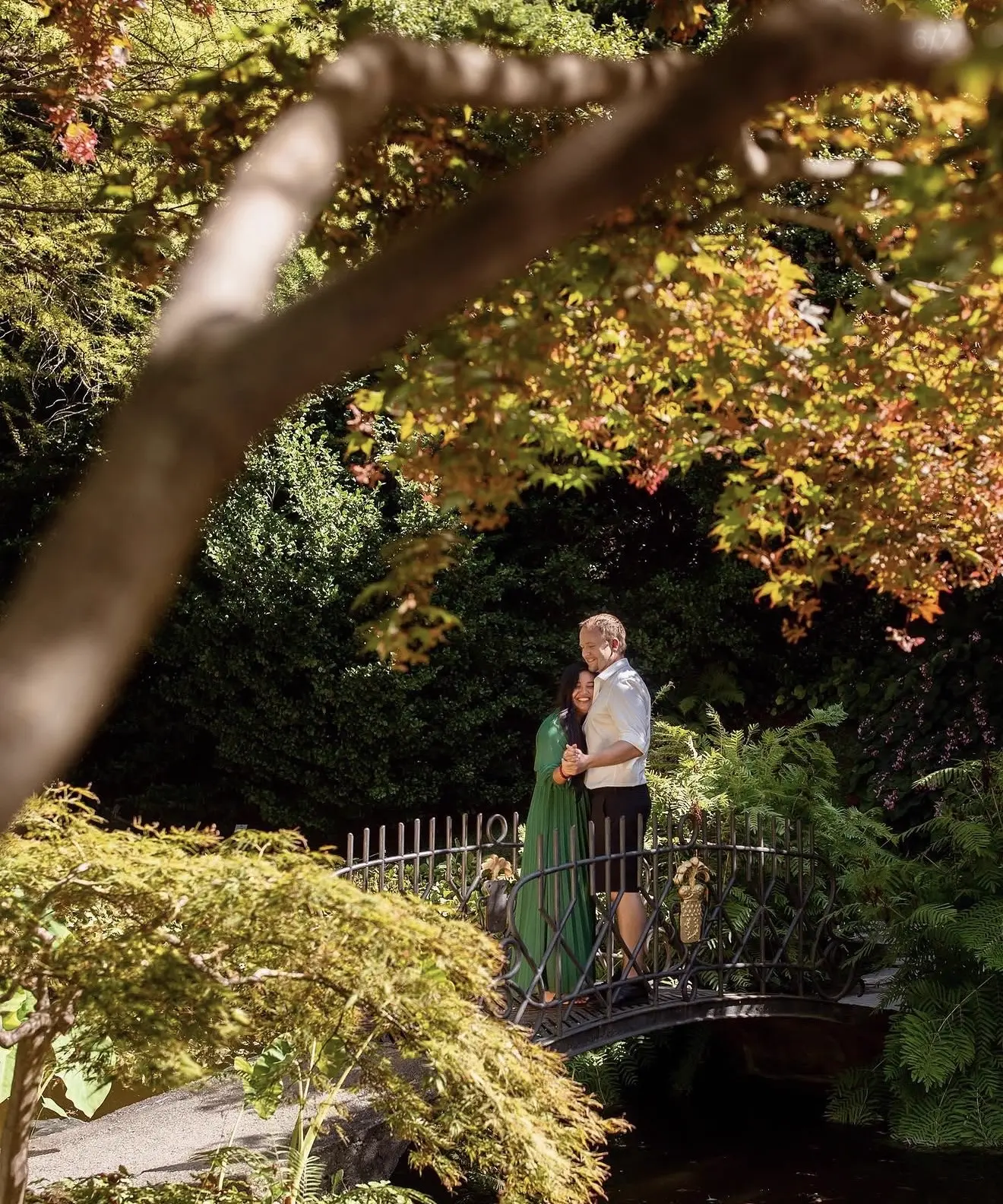
What anthropology and relationship science know about being ready, and what almost no one tells you before you kneel.
There's a widespread idea about marriage proposals: that the hard part is the moment. The nerves, the knee, the shaking voice, the ring that mustn't slip. And yes, that instant is frightening. But after planning hundreds of proposals in Puerto Vallarta, I've learned the hardest part happens much earlier, and quietly. It's truly understanding the person you love before you ask them to change their life with you.
This isn't a list to make you doubt. It's the opposite. It's so you arrive at that moment knowing, instead of hoping.
I lean on two disciplines that have spent more than a century studying exactly this. Anthropology, which has observed how human beings marry across nearly every known culture. And relationship science, which has followed thousands of couples over years to understand why some last and others don't. Put the two together and seven questions appear. None has a right answer. Only honest ones.
Why these questions and not others
In 1909, the ethnographer Arnold van Gennep published The Rites of Passage and noticed something that recurs across nearly every human culture: marriage was never merely a contract between two people in love. It was a rite of passage, one of the moments, alongside birth and death, that every society marks with ceremony. Van Gennep described it as crossing a threshold, from the Latin limen: you leave one stage behind and enter another, witnessed by your community. Rites of passage only truly transform when the person crossing is ready to cross.
Relationship science supplies the other half. For more than fifty years, psychologists John and Julie Gottman observed thousands of couples in their lab to answer one simple question: why do some marriages flourish while others slowly fade? Their central finding dismantles a myth. What sustains a marriage over time isn't the intensity of early infatuation, which naturally rises and falls. It's the underlying friendship, the way a couple repairs after conflict, and the security that the other person will stay. A beautiful proposal on a fragile foundation is still a proposal on a fragile foundation.
The seven questions that follow rest on these two lenses. Take your time with each. Some will feel easy. If one is hard, that's precisely the one worth facing.
One. Are we crossing the same threshold, or just me?
Marriage marks a before and after, but it only transforms when both people cross the same threshold at the same time. If one experiences it as the natural end of a path and the other as a surprise they haven't yet digested, they aren't crossing together: one moves forward and the other reacts.
This doesn't mean the proposal can't be a surprise. The surprise lives in the how and the when. What shouldn't be a surprise is the where to. If you've already talked about building a life together, the proposal doesn't open a new direction, it confirms a threshold you were both already seeing.
Van Gennep observed that across cultures, marriage is a "passage of a person from one status to another," a rite that works only when it brings both people into a new world, not when it drags one behind the other.
Ask yourself: if someone asked my partner tomorrow, "where is your relationship going?", would their answer resemble mine?
Two. Do I love who they are, or who I imagine they'll become?
Here's a figure that changes how you look at the person you love. Gottman's research found that 69% of a couple's conflicts are "perpetual": they never get solved, because they grow from fundamental differences in personality or lifestyle. They aren't a flaw in the relationship. They are the relationship.
Those who last aren't the ones who found someone perfect, but the ones who accepted someone real. The therapist Dan Wile put it in a line Gottman often quotes:
"When choosing a long-term partner, you will inevitably be choosing a particular set of unsolvable problems that you'll be grappling with for the next ten, twenty, or fifty years."
To propose is to say: I choose you exactly as you are today, with your set of unsolvable problems, not the upgraded version I'm hoping for in five years. If your internal "yes" depends on the other person no longer being who they are, that isn't a threshold, it's a condition.
Ask yourself: what is it about my partner that I struggle to accept? Can I live with it for a lifetime, or am I secretly betting it will disappear?
Three. How do we fight when we fight?
A stubborn myth says good couples don't argue. The research shows the opposite: every couple argues. The difference between those who last and those who don't is what happens after the conflict. Gottman calls it "repair attempts", any gesture that stops the escalation and lets you come back.
In his lab studies, Gottman found that repair attempts predict a relationship's long-term success even more than conflict style or compatibility. Watching the first three minutes of an argument, he could predict with up to 96% accuracy whether a couple would stay together.
Before you propose, look at your history of repair, not your history of calm. A couple that knows how to return from disagreement holds one of the tools that matter most in a marriage. A couple that avoids all conflict to keep from breaking is often more fragile than it looks.
Ask yourself: after our worst argument, who took the first step to come back, and how did that return feel?
Four. Do our families and worlds fit at the same table?
Van Gennep described society as a house divided into rooms, where people move from one to another by crossing thresholds. For most of human history, marriage didn't join two individuals: it joined two entire rooms. Two families, two ways of understanding money, faith, celebration, grief. We choose with more freedom than our ancestors did, but those networks are still there. They don't have to be identical. They have to be able to coexist.
This isn't about your families being alike, or everyone adoring each other from day one. It's about whether you've already seen how they are together in the ordinary and the difficult, and whether that gives you calm or sets off an alarm you've been ignoring.
Ask yourself: when I imagine our lives entwined with our families', do I feel calm, or do I feel I'm postponing a conversation?
Five. Do we want the same life, or just the same today?
You can love someone deeply and still want different lives. Kids or no kids. Putting down roots or moving through the world. A career that consumes everything or a slower life. These aren't differences in taste, they're differences in direction, and love alone doesn't resolve them.
The Gottmans' research on lasting couples points to something they call a "shared system of meaning": a common vision of where the shared life is going. The strongest couples don't agree on everything, but they know each other's big dreams and have consciously decided to make room for them. Before you propose, make sure you aren't mistaking a happy present for an agreed future.
Ask yourself: if each of us wrote separately how we imagine our life in ten years, how much would the two pages match?
Six. Is this proposal for us, or for everyone else?
Rites of passage always had witnesses: the community was present to recognize the change, and Van Gennep included that public incorporation as an essential part of the rite. But there's a difference between witnesses celebrating something real and an audience expecting a show. When a proposal is designed for other people's reactions, for the photo that will be shared, it stops being a rite and becomes a performance.
The honest question isn't "will it look amazing?". It's "does this represent us?". A proposal that speaks to your story moves people forever. One copied from a trend is forgotten when the trend passes.
Ask yourself: if no one were ever going to see a single photo, would I still want to propose exactly this way?
Seven. Am I ready for what comes after the yes?
The proposal moment lasts minutes. The marriage lasts decades. Research on commitment distinguishes between the emotion of wanting to stay, which comes and goes naturally, and the decision to stay, which holds even when the emotion dips. Lasting commitment rests on the second.
The Gottmans put it this way: healthy relationships aren't built through grand transformations, but through steady, everyday care. Love grows in micro-moments, in how you respond when your partner reaches for connection with a look, a sigh, a small comment.
To propose isn't to promise you'll always feel what you feel today. It's to decide that, even on the grey days, this is the person you want to build with. If you can answer this last question with calm instead of euphoria, that's a good sign.
Ask yourself: do I want to propose because I can't imagine my life without this person, or because I can't imagine the moment without today's excitement?
When you have your answers
If you made it this far and your answers left you at peace, you've already done the hardest part. You know who you love, you know you want to build the same life, and you know why. That's what no décor can give you, and it's exactly where my work begins.
I'm Olivia, and I don't design proposals around a beach or a bouquet. I design them around the answers you just gave yourself. That story, the one that belongs to the two of you, is what I turn into the moment you ask. When you're ready to tell me, tell me your story.
Frequently asked questions
How do I know if I'm ready to propose? There's no single sign, but relationship research suggests looking at three things before the ring: whether you both see the same future, whether you know how to repair after an argument, and whether you accept your partner as they are today rather than hoping they'll change. If you can answer this guide's seven questions with calm, that's a good sign.
Is it normal to have doubts before proposing? Yes. Doubting the details or feeling nervous about the moment is normal. What's worth examining honestly is whether the doubt is about the moment or about the direction of the relationship. The seven questions help tell the two apart.
When is the best time to propose in Puerto Vallarta? The dry season, November to May, offers the most stable weather and the best sunsets. The rainy months, June to October, call for more flexibility. You can read the full guide on how to choose the perfect date.
How much does a proposal in Puerto Vallarta cost? Experiences start from 18,000 MXN for a beach or public setting, and from 25,000 MXN for a private terrace or exclusive setting. The final price depends on your story and the setting. See the honest breakdown.
Sources cited:
Arnold van Gennep, The Rites of Passage (1909). Concept of the rite of passage, liminality, and threshold (limen).
John and Julie Gottman, The Gottman Institute. Research on perpetual problems (69%), repair attempts, the 96% prediction, bids for connection, and shared system of meaning.
Dan Wile, quoted in Gottman's work, on choosing "a set of unsolvable problems."
Letters from the bay
Proposal ideas, dates that work, and stories from Puerto Vallarta.
One short letter now and then. No spam, and you can leave whenever you want.
Next step
Book a consultation and tell me your story.
A 15 minute call to talk through your dates, your partner, and what you want the moment to feel like.
Read next
Before You Propose · November 2025 · 10 min read
Why Personalized Proposals Feel More Meaningful Than Beautiful Ones
The difference between a pretty proposal setup and one built from a couple's own story, explained through psychology and anthropology. Why personalization, not decoration, is what people remember.
Read the post →
Before You Propose · October 2025 · 10 min read
How Travel Shapes Relationships: The Anthropology of Going Somewhere Together
Liminality, Victor Turner's communitas, and the Arons' self-expansion model: what anthropology and relationship science actually say about why a trip can deepen a partnership.
Read the post →
Before You Propose · April 2025 · 9 min read
Is This the One? What Relationship Science Says About Knowing You're Ready to Propose
Forty years of couples research, from John Gottman's Love Lab onward, on the quiet, daily patterns that actually predict whether you're ready to propose.
Read the post →Tell me your story.
Story-driven proposals in Puerto Vallarta, designed around your relationship.
Plan my proposal →